
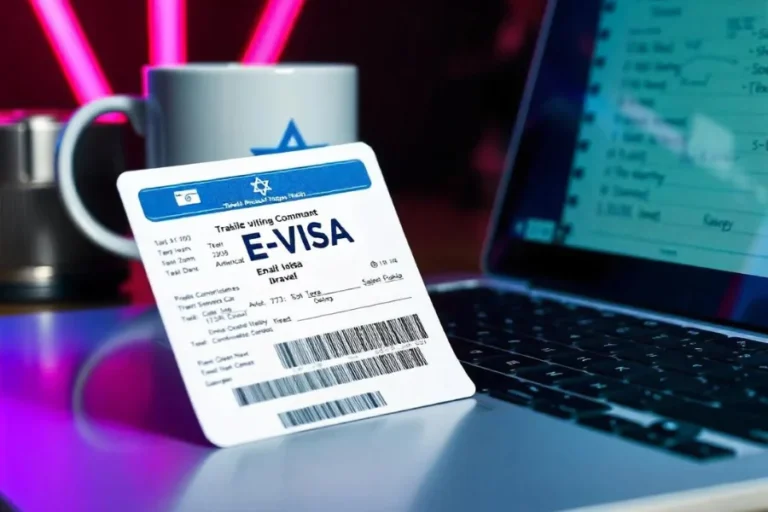
Traveling internationally throughout the globe is going through a big shift. Digital technology is being put into use by governments through the use of digital travel visa systems. Also, new advanced border solutions that will replace traditional paper visas that travellers use today. All of these advancements are meant to create improvements in the efficiency, convenience and security of travel between nations for both the travelling public and immigration officials.
As global travel continues to grow, it is expected that automated border systems and digital travel visa solutions. It will have a large impact on future global mobility.
What is a Digital Travel Visa?
An electronic travel visa or e-Visa allows an individual to apply for and receive authorization for a visa electronically without going to the consulate of the country they are travelling to. The electronic travel visa is electronically linked to the traveller’s passport. Rather than having a visa sticker or stamp placed in it.
Many countries have developed digital travel visa solutions as a way to simplify the application process. It is also to reduce the administrative burden associated with traditional visa application processes. As a result, the availability of electronic travel visas provides increased speed and convenience compared to traditional methods for obtaining a travel visa.
Understanding Intelligent Borders
Moreover, intelligent borders use advanced technologies such as biometric authentication (fingerprint and/or iris scans), facial recognition technology, artificial intelligence and automatic passport control kiosks to enhance border crossings.
Intelligent border systems utilize technologies that allow for the fast authentication of traveler identities and the efficient processing of their entries. Rather than relying solely on manual inspections. So, the key technologies used at smart borders are:
- Biometric identification
- Facial recognition systems
- E-passport scanning
- Automated border crossings
- AI-enhanced security checks
These technologies provide both enhanced security and efficiency.
Benefits for Tourists
Shorter Application Processes
Digital visa systems reduce paperwork and allow applicants to upload documents electronically. Therefore, this can also lead to shorter processing times and easier tracking of application progress.
Reduced Wait Times
Automated border processing can complete audits more quickly than traditional manual processing, helping reduce the amount of time that people wait at airports/borders for processing.
Increased Convenience
Travelers can complete their visa applications, provide supporting documentation and receive approvals from virtually anywhere with an internet connection.
Improved Travel Experience
The digitization of the visa application process and automated border crossing processes provides improved experiences for travelers throughout their travels from start to finish.
Benefits for Governments
The implementation of automated border processing and digital visas provides a variety of benefits to governments and immigration agencies.
Increased Security
Biometric identification and AI-based risk assessment methods can help identify potential security risks more effectively than traditional methods.
Improved Data Organization
The use of electronic systems allows for the collection, organization and analysis of traveler data by governments.
Operational Effectiveness
By utilizing automation within their systems, immigration officials can devote time and energy to other pressing issues. Rather than dealing with the administrative work involved in processing, determining and monitoring non-citizens.
Hurdles & Considerations
Although many advantages exist in digital visa programs and smart borders, there are also challenges associated with these systems.
Concerns Regarding Data Privacy
Furthermore, the collection and retention of biometric information for record-keeping brings up considerable privacy and cybersecurity concerns. Government officials will need to have in place robust measures to protect sensitive data.
Access to Technology
Not all travelers have equal access to digital technology or reliable internet service, which could create obstacles for some applicants.
System Reliability
Technical problems, cyber security threats and system failures could disrupt travel if appropriate fail-safe measures are not instituted.
What to Expect in the Future
The future of global travel will include further integration of digital technology. Ultimately, travelers may be able to prove their identity using a secure digital ID stored on their mobile device and therefore not require paper-based evidence when crossing international borders.
Also, artificial Intelligence could enhance the processing of visas and facilitate international collaboration to develop more standardized digital travel systems.
As technology continues to improve, travelers can look forward to faster, more reliable and easier-to-navigate visa applications and border crossing procedures.
The new digital travel visa and intelligent border concepts represent a very large step forward in the modernization of international travel. Digital travel visa and intelligent border technologies combine convenience, efficiency and security to help redefine the way that people travel across international borders.
For those looking for how to get a travel visa, awareness of these emerging technologies can provide insight into the future of global travel. Digital solutions are expected to play an important role in the international travel experience as their adoption continues to grow.
stake en apuestas champions league – pronósticos que significa
sportwetten lizenz schleswig holstein
My blog post basketball verlängerung wetten
que significa 1×2 en fc barcelona apuestas
comparador Apuestas Deportivas Mlb futbol
tipps für sportwetten heute
Here is my website :: college basketball wetten (Effectorx.com)
how does a trifecta box bet work
Here is my blog … Horse racing betting bonuses